Image

On 11th November 1976, a devastating fire at Malone House led to the near-total loss of the original costume and textile collection. Fifty years on, it’s time to celebrate a collection reborn.
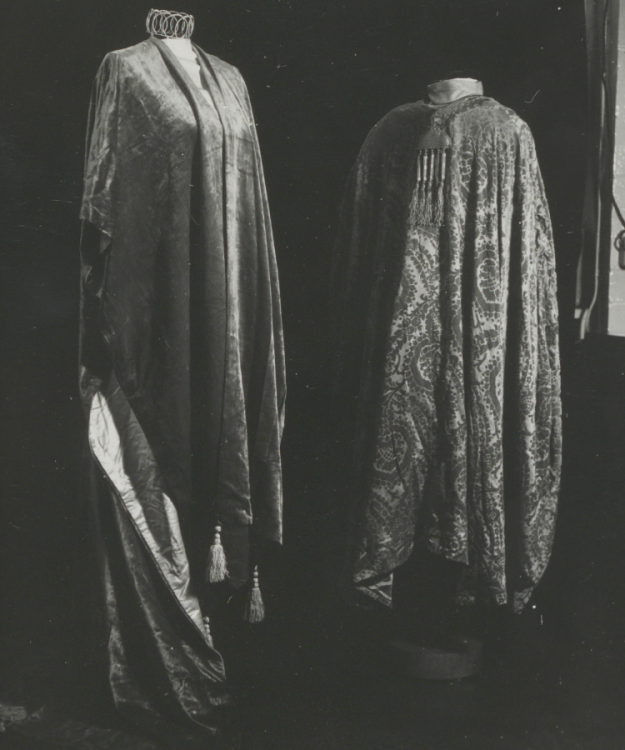
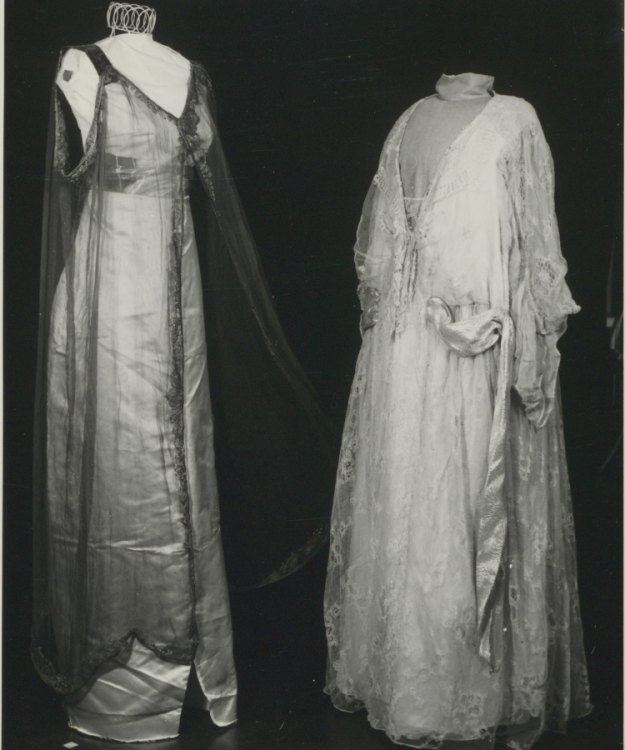
The beauty of this collection belies a tragic past. The collection has been painstakingly rebuilt, almost entirely from scratch, from the ashes of a previous, far larger collection of dress and textiles destroyed by a fire during the conflict in and around Northern Ireland known as ‘The Troubles’.
In the early 1970s, the Ulster Museum arranged with the Belfast City Council to use one of their properties, Malone House, to house its large costume and textile collection.
The fast-growing collection, containing upwards of ten thousand objects, was in desperate need of more storage space than the museum building could provide at that time. It was hoped that by moving the collection into unused space in Malone House, there would be ample space for the collection, and a suitable setting for researchers and students to study it.
On 11th November 1976 - less than a year after the transfer of objects from the museum to Malone House - the mansion was bombed. The Ulster Museum’s entire dress and textile collection was destroyed in the ensuing fire. Thankfully, nobody was harmed.
A staff memo circulating on the day of the fire gives a brief and stark overview of the loss:
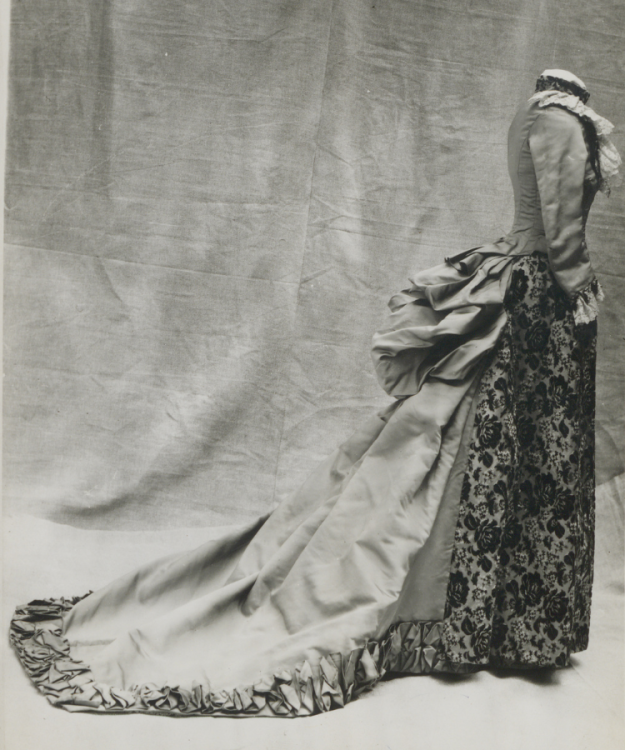
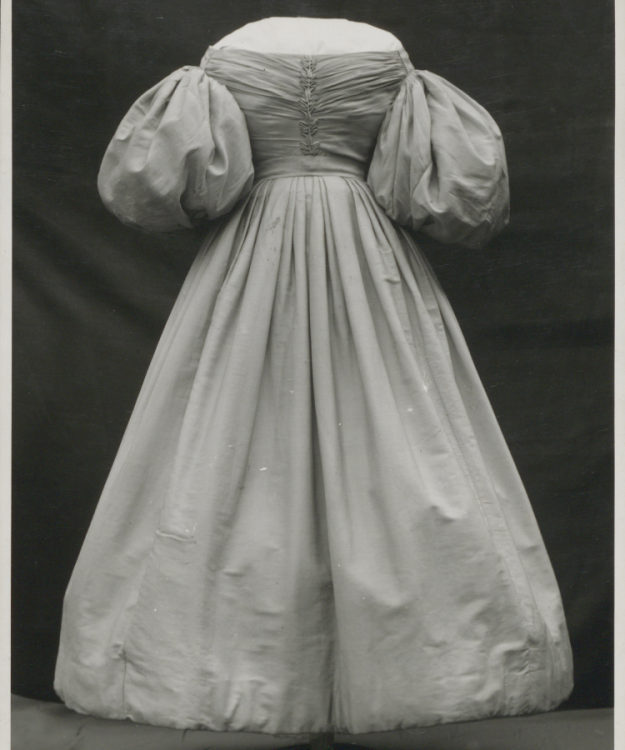
10,000 or so items destroyed, along with their records. The specimens lost included one of the best collections of linen damask in the world, a rare Elizabethan embroidered jacket, a costume collection with items from nearly every year from the 1770s to the 1970s, and a very good collection of eighteenth century dress, Irish, English and continental lace, Irish and foreign embroidery including seventeenth century embroidery, and fans, toys, dolls, needlework tools, fashion plates, photograph albums, foreign costume and all costume accessories.
A 1610 Elizabethan embroidered jacket was the oldest object lost. Among the splendid eighteenth-century gowns destroyed was a Spitalfields silk robe with a local connection. Its linen lining was stamped ‘Sam Holmes – Co. Down'.
Following the fire, art historian and former Keeper of Art for the Ulster Museum, Anne Crookshank, observed that:
Apart from the irretrievable loss of the historical evidence of our culture, one of the saddest features of the disaster was that more than any other part of the museum’s collection, the dress and textiles collection was made by the people themselves.
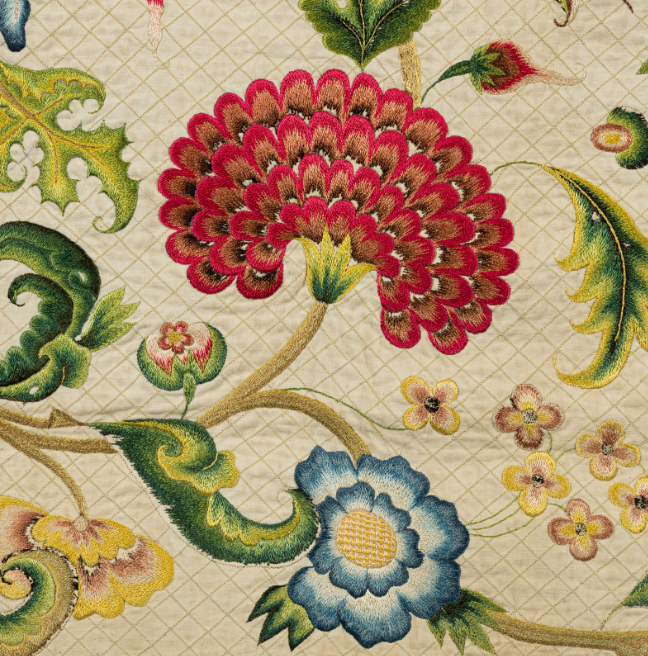
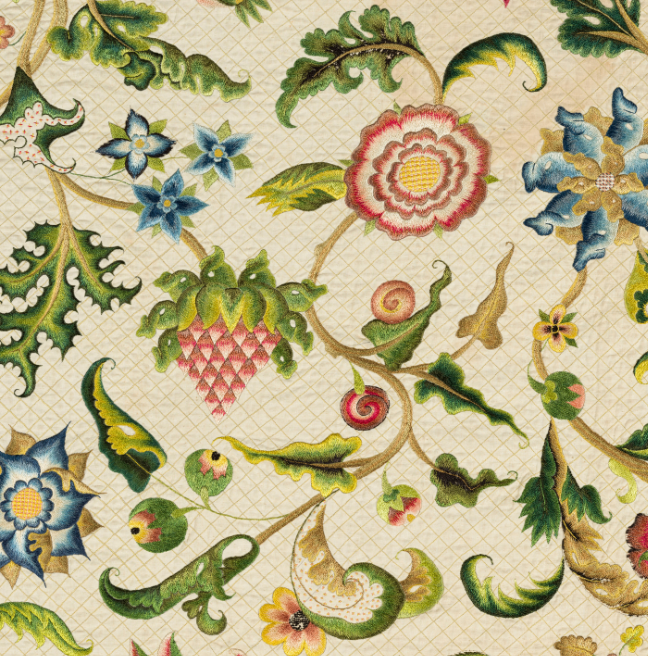
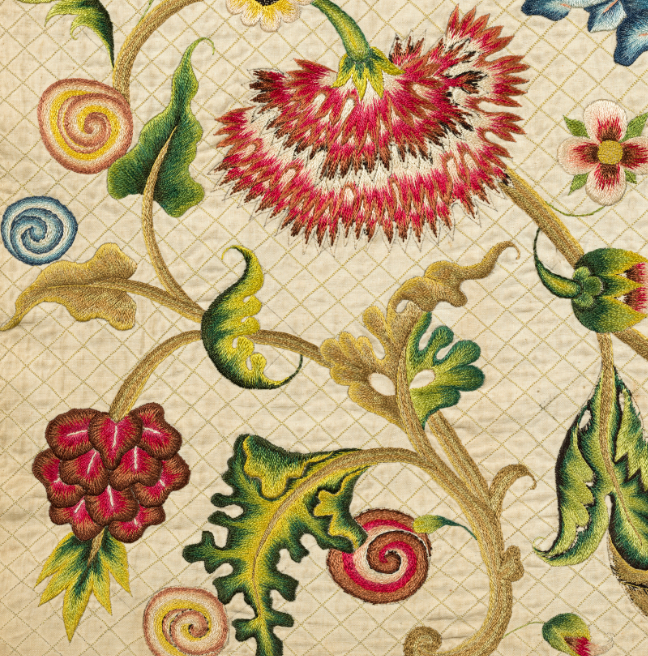
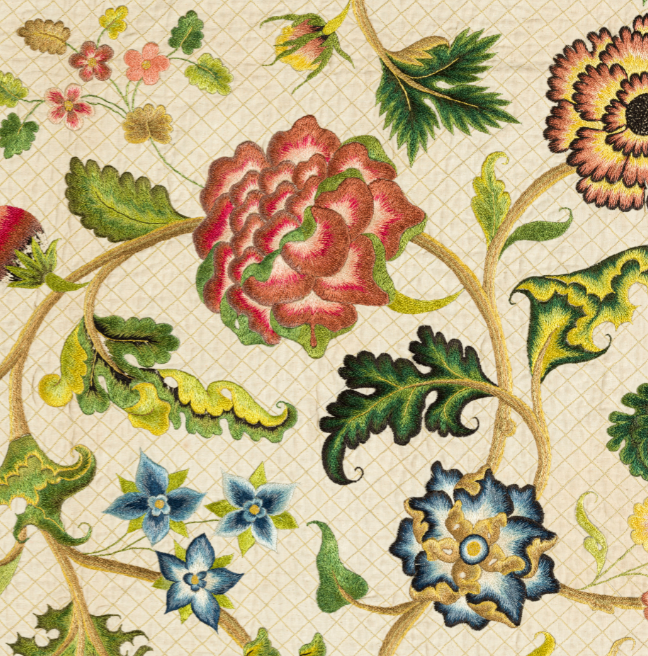
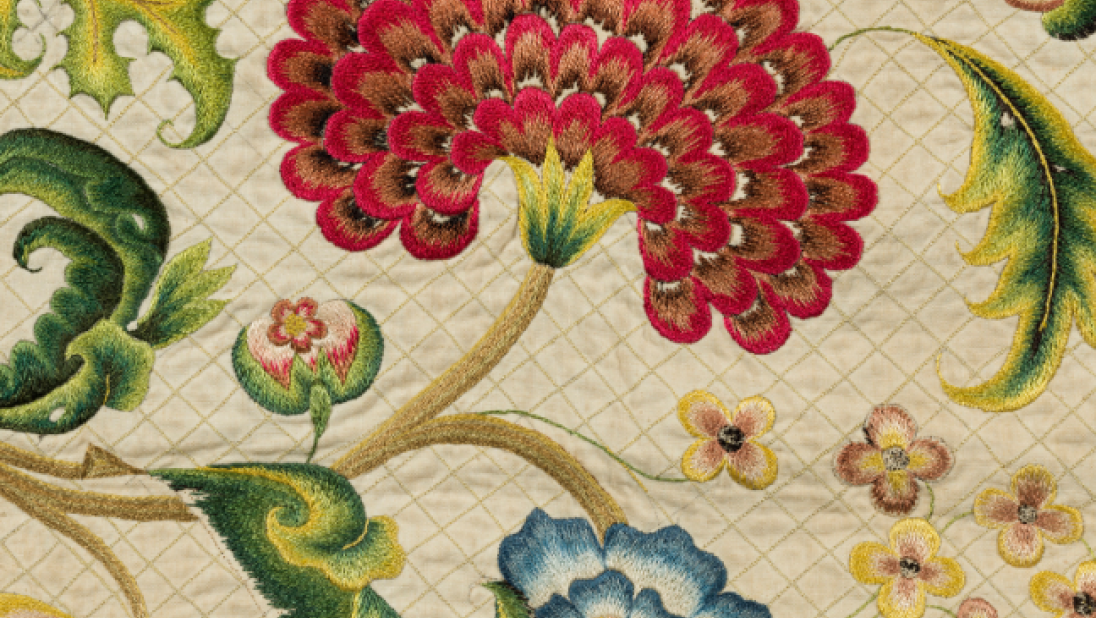
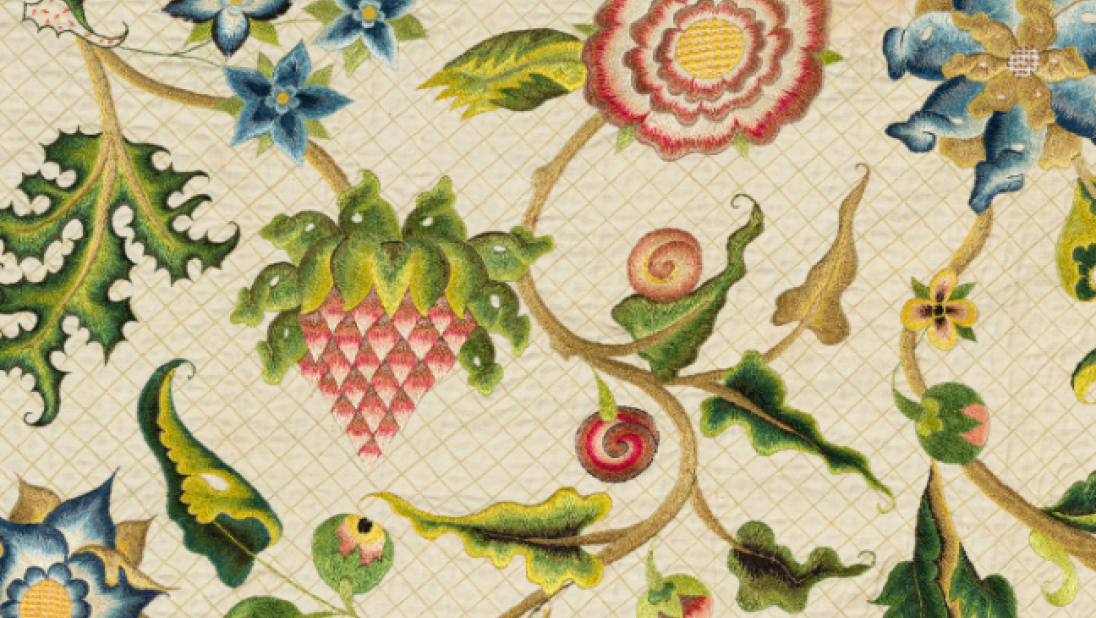
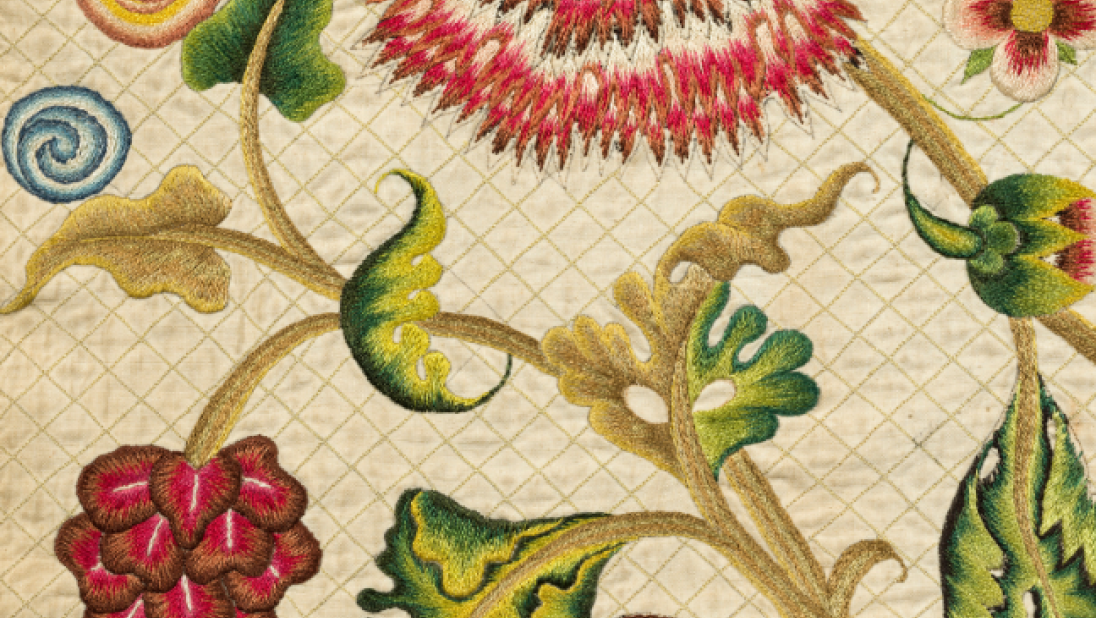
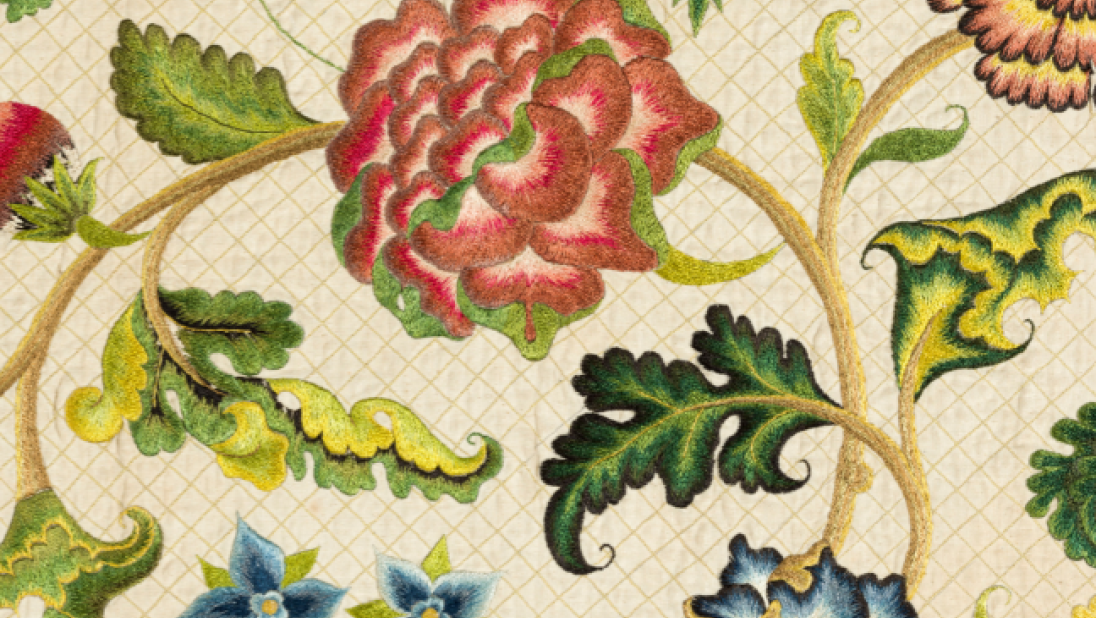
Work began immediately to assess the loss. Although the destruction was nearly total, one object of major significance survived: The Lennox Quilt.

The quilt, measuring six by six feet and entirely handstitched, was made by Martha Lennox in 1712. This exquisite textile also held local significance, as Martha was the daughter of John Hamilton, one of the first sovereigns, or mayors, of Belfast. When Martha died in 1729, the quilt passed to her daughter Elizabeth, and down through the female line of the family for several generations until it was successfully purchased by the Ulster Museum in March 1976.
Thankfully, at the time of the fire it was on display at the Ulster Museum as a recent and important acquisition. Its survival is a poignant reminder of the absence of so many other objects also handed down through generations and once held for posterity in the museum collection.
News of the fire triggered a wave of sympathy from the public and from various institutions around the world.
Locally, the television network UTV reached out within days to offer a donation to ‘help restore something of the terrible and unnecessary loss which you have sustained.’ Many museums also wrote to the curator, Elizabeth McCrum, offering condolences and aid. The Victoria and Albert Museum in particular offered to help by redirecting potential gifts toward the Ulster Museum, especially if they had an Irish connection.
In 1977 a public appeal was launched, requesting donations of historic dress, lace, accessories, and other quality textile items. The generosity was spectacular: that year alone, the Ulster Museum received no fewer than four hundred donations to its budding collection from all over the UK and Ireland.
It became apparent, however, that to replace anything predating 1900 would mean having to actively acquire items. At that time, few museums were actively collecting historic and contemporary fashion, and many excellent pieces, especially of twentieth-century couture, were available to buy for reasonable sums at auction.

Among the first modern designer couture pieces purchased at auction was a sequinned striped Yves Saint Laurent mini dress from the designer’s seminal 1966 Sailor Collection.
To ensure that contemporary fashion would always be an important part of the Ulster Museum, in 1984 Elizabeth McCrum launched a new collecting policy. This stated that every year the museum would purchase a brand-new outfit by a leading designer whose work captured a key look of the year, alongside a ‘High Street’ outfit that reflected popular, widely available fashion.
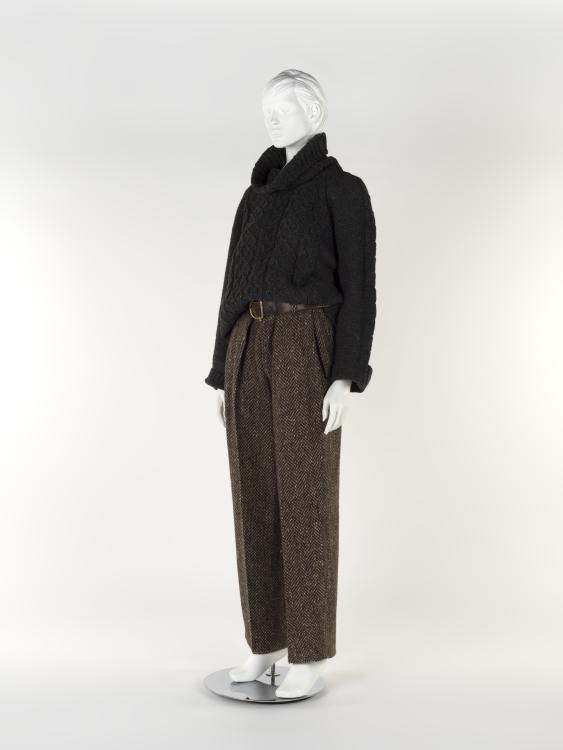
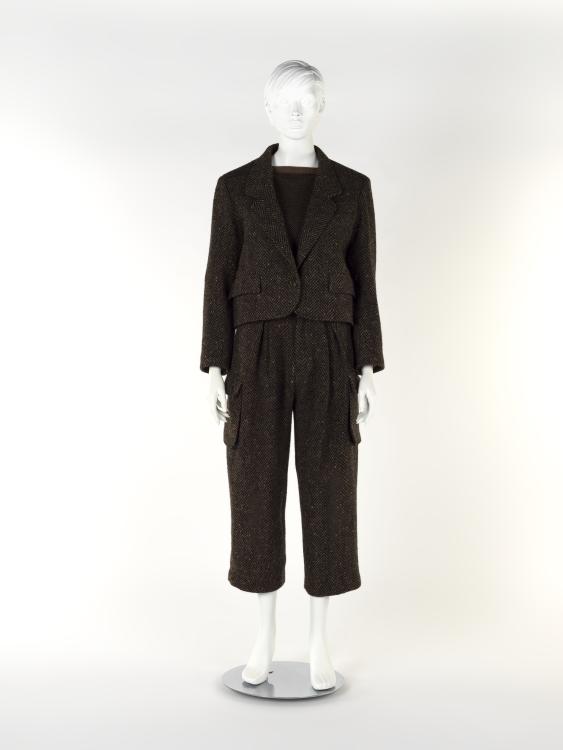
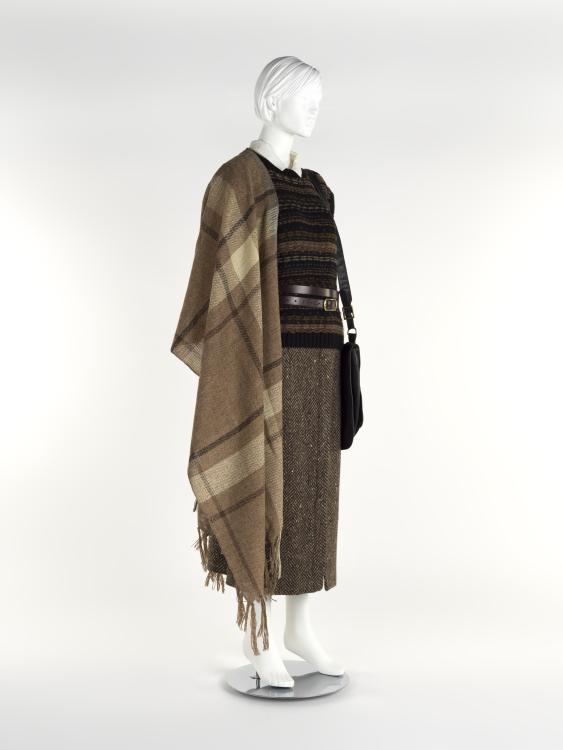
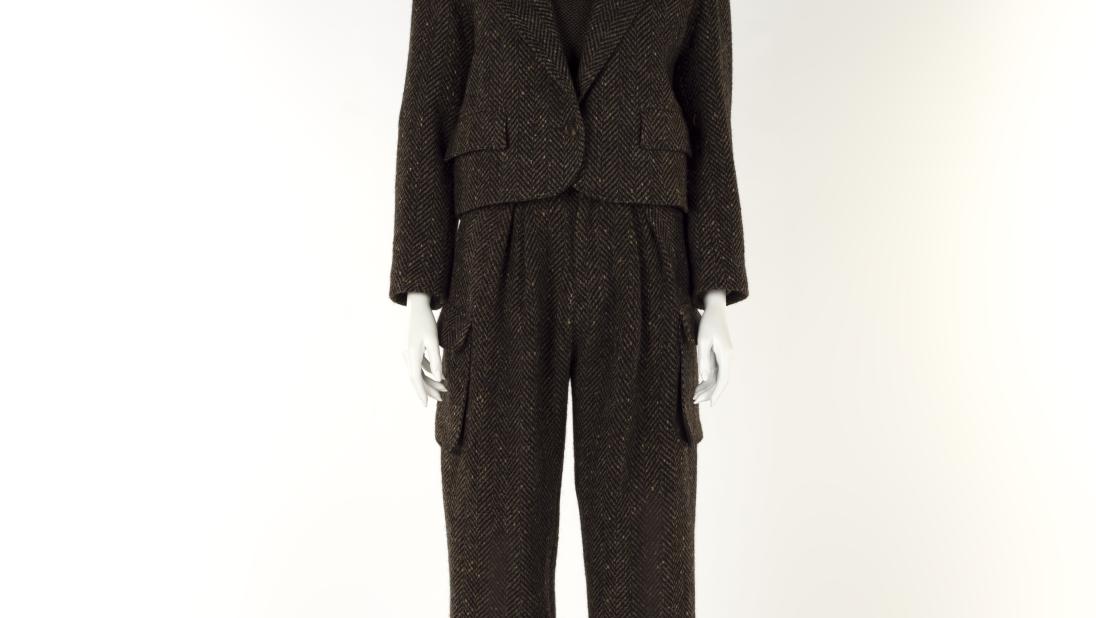
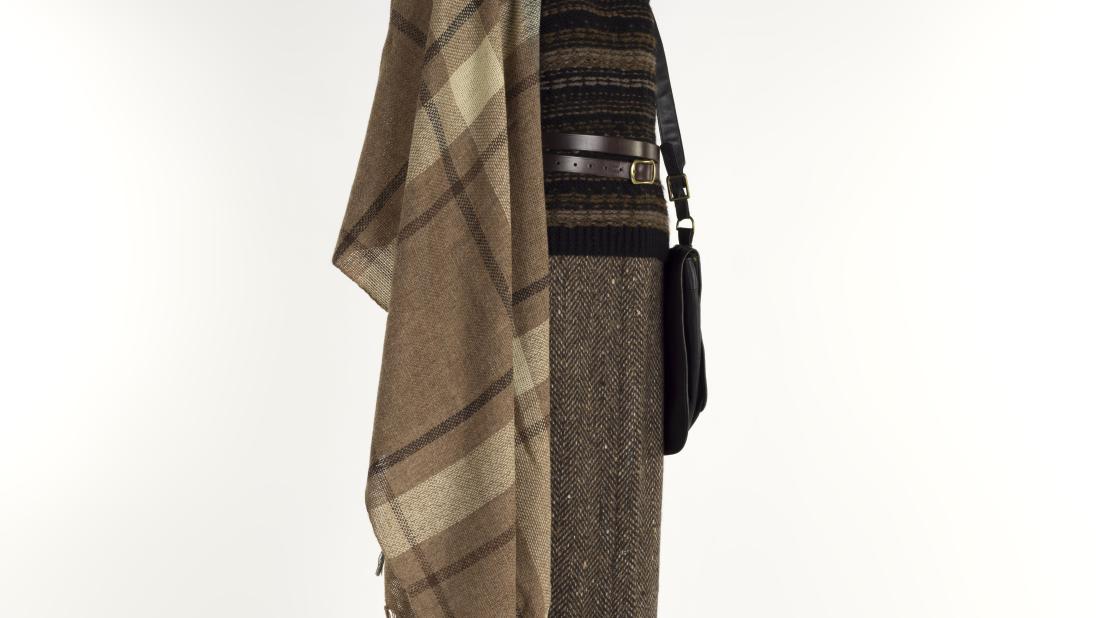
The very first contemporary designer purchase made by the Ulster Museum was a full Autumn/Winter ensemble created especially for the museum by Irish designer Paul Costelloe.
The Ulster Museum continues to benefit from the legacy of McCrum’s pioneering approach to collecting contemporary fashion, resulting in an impressive and growing chain of acquisitions that represent contemporary fashion trends and designers as they make their mark.
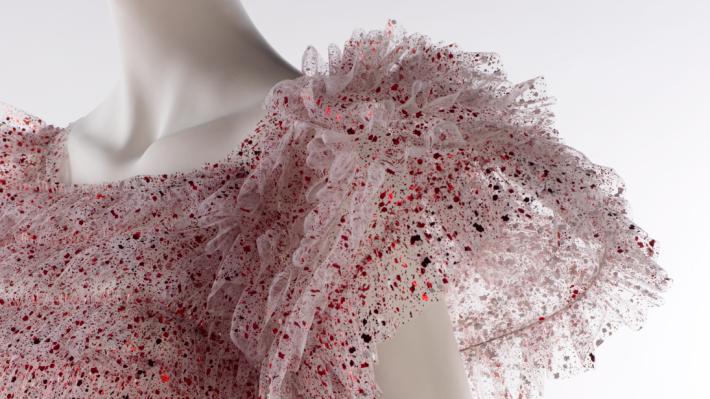
An outfit by designer Sara O’Neill, who is based on the northern coast of Co. Antrim, is a recent addition to that chain. The ‘Dreamer’ ensemble, featuring a print that draws inspiration from Belfast’s Art Deco architecture and textile manufacturing heritage, showcases Sara’s exceptional ability to tell stories through her designs.

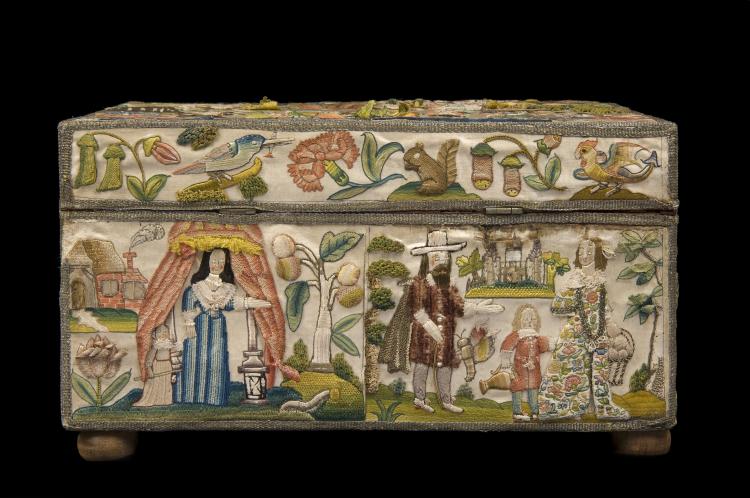
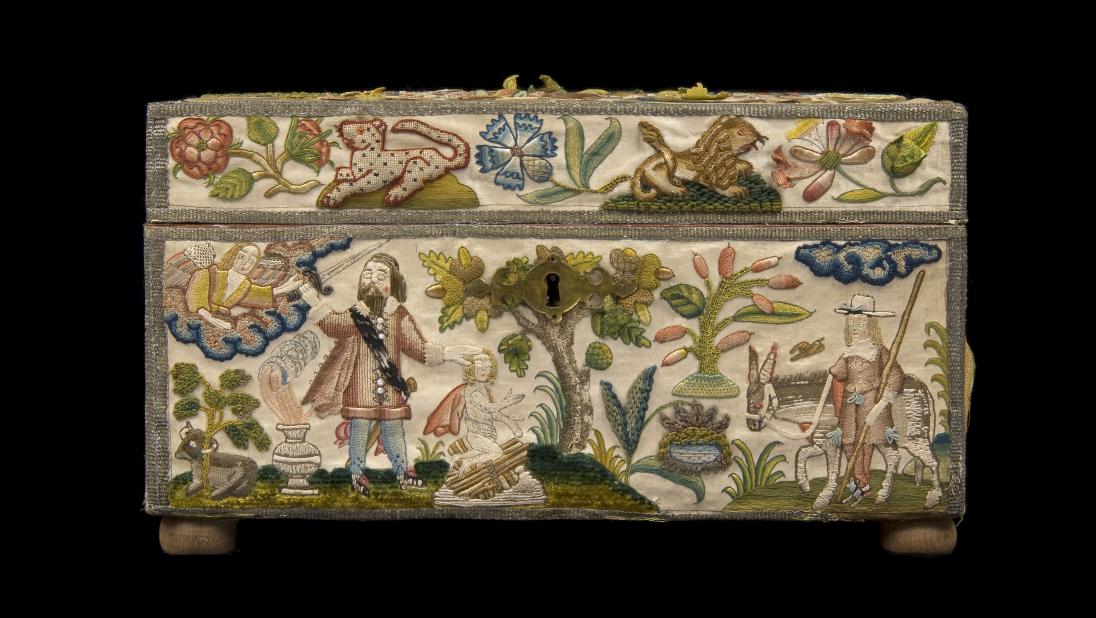
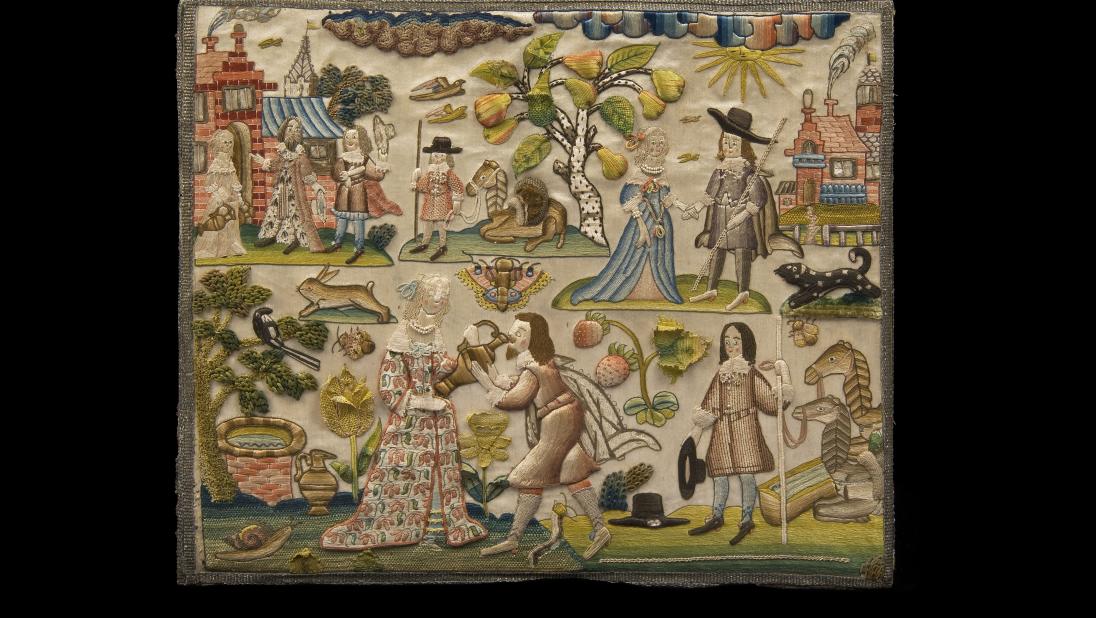
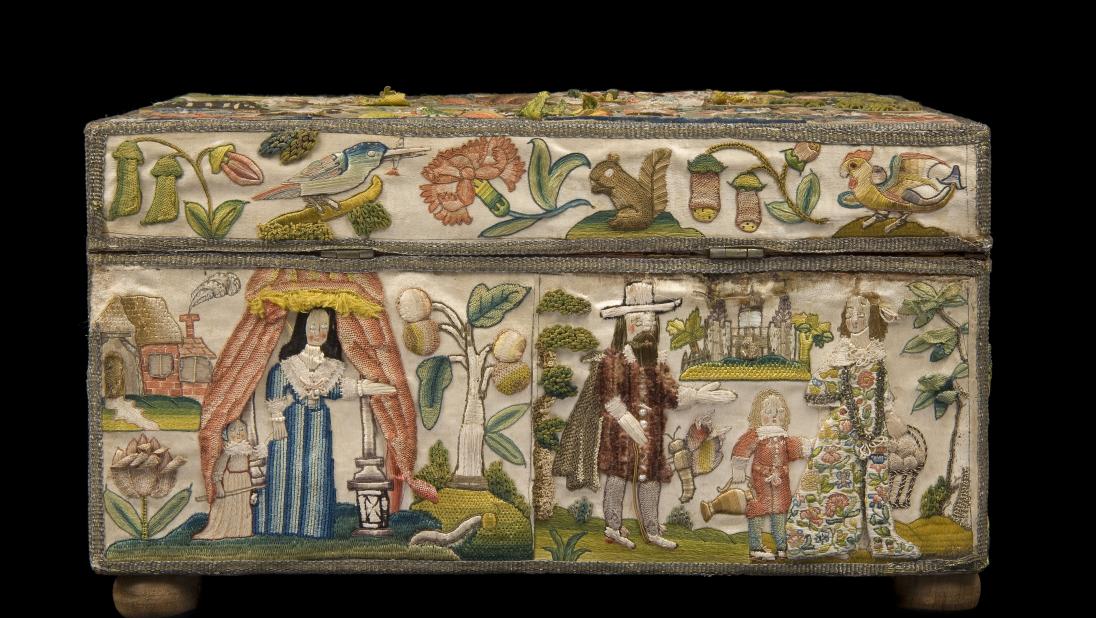
Generous public donations also continue to help the Ulster Museum rebuild its fashion and textile collection. Significant recent donations include the Lanto Synge collection of needlework, comprising over 250 textile pieces, many of superb quality, mainly dating from the seventeenth to twentieth centuries.
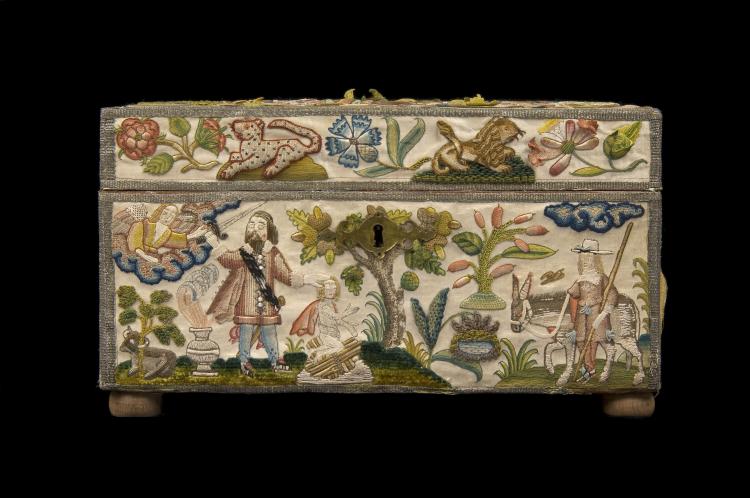
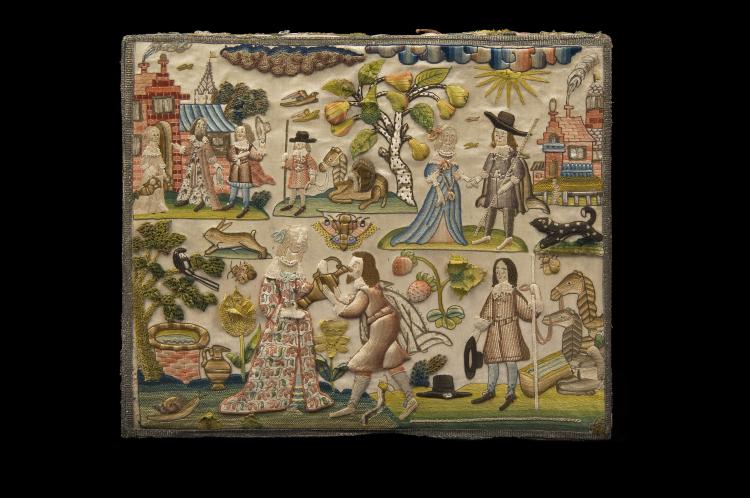
One piece in particular, a rare stumpwork casket dated circa 1660, holds particular meaning in the context of the museum’s rebuilt collection, as it replaces a similar example that was destroyed in the fire.
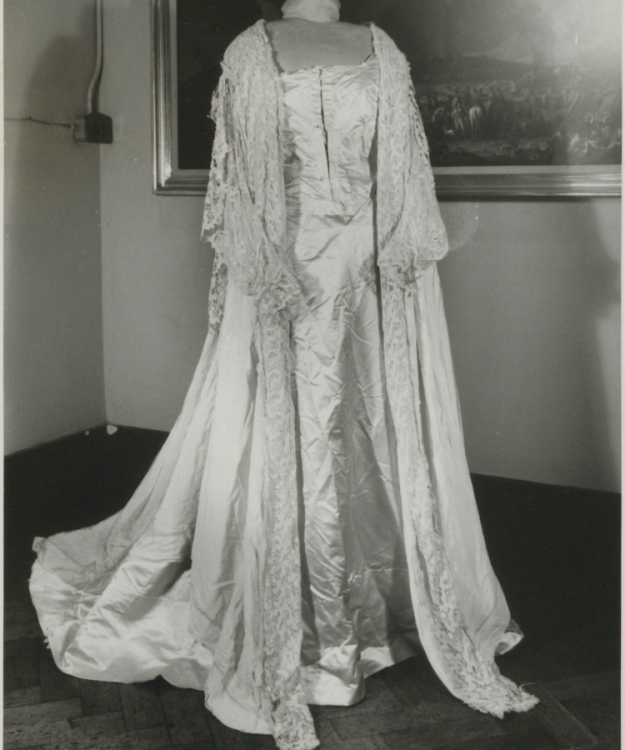
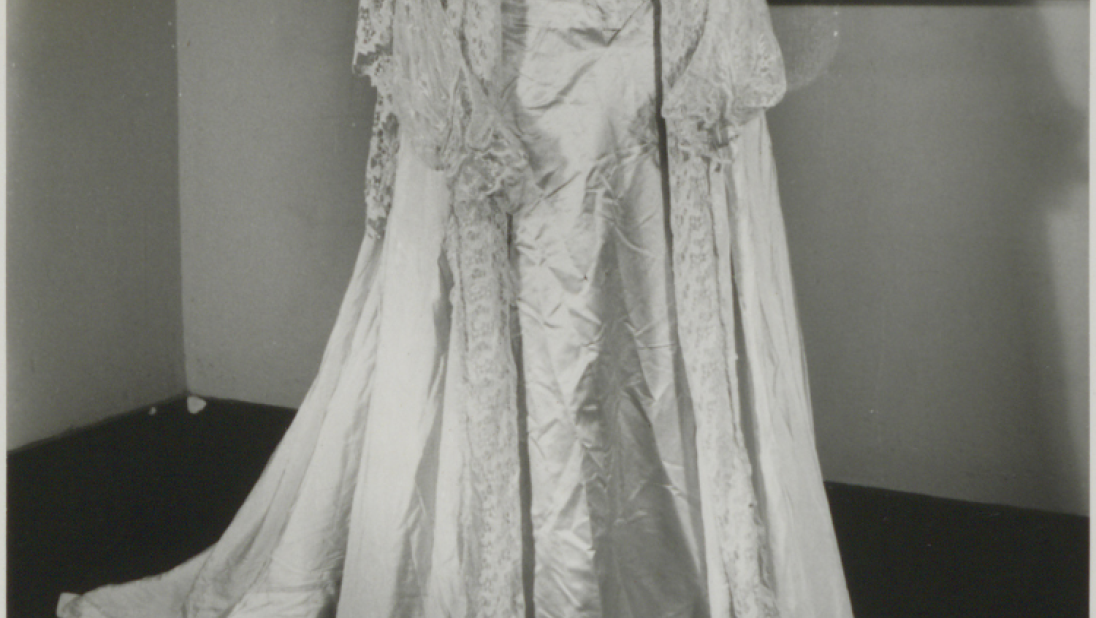
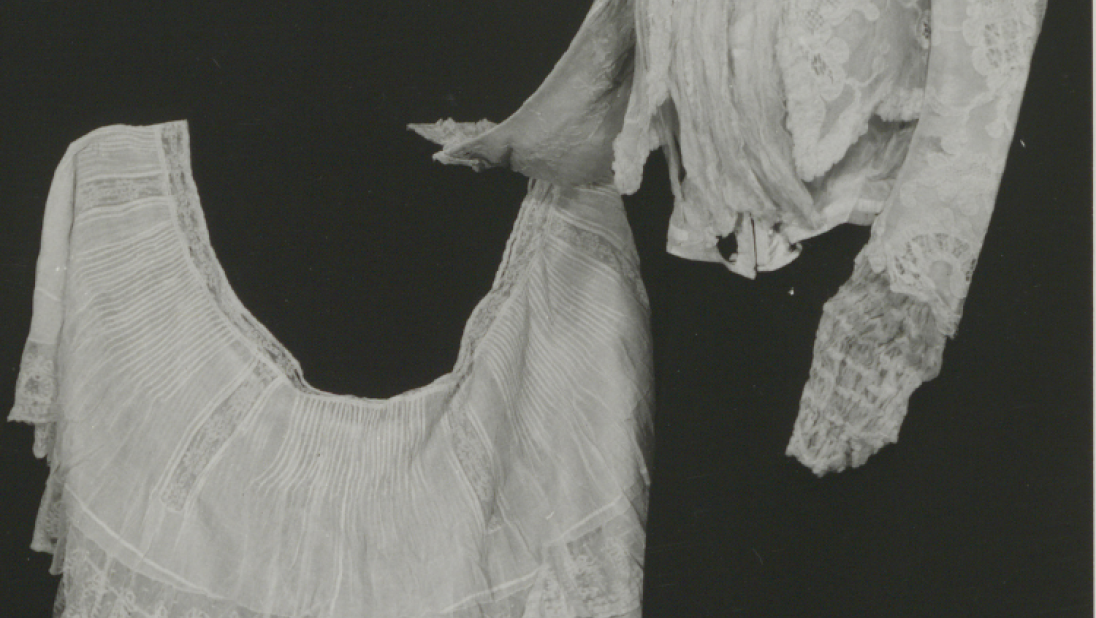
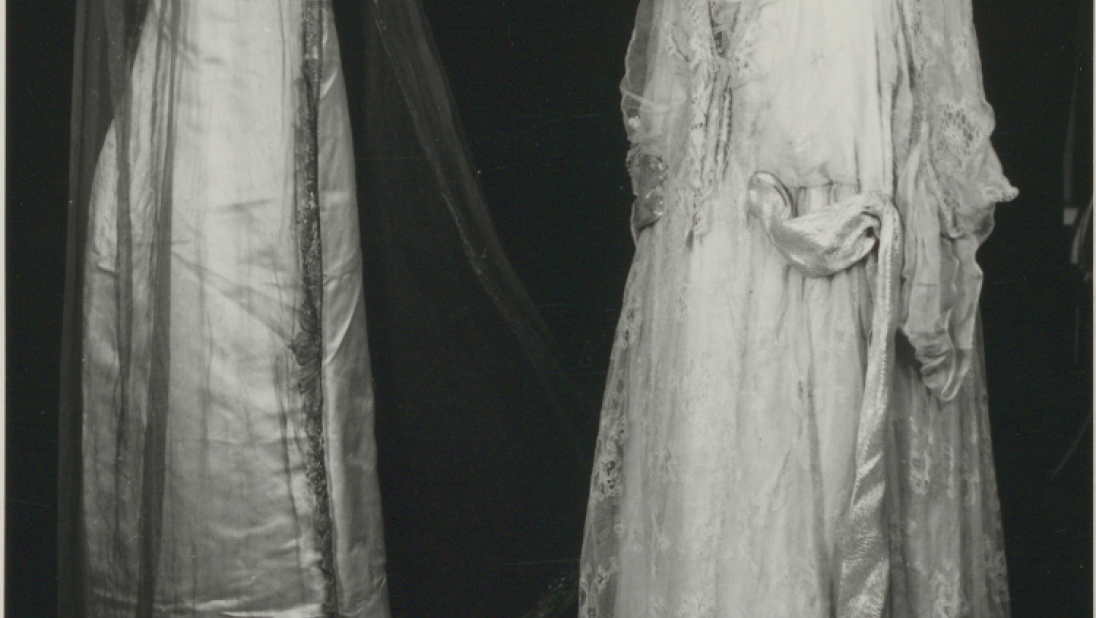
Also notable is the donation of two outstanding garments gifted by descendants of Scottish-American textile heiress Elizabeth Balfour Laidlaw (née Clark). Her two gowns, an 1896 wedding dress and a 1911 court presentation dress with embroidered train, are both exquisite examples of the different trends and silhouettes of their respective eras.
Writing in The Irish Times following the Malone House Fire, former Keeper of Art for the Ulster Museum, Anne Crookshank, lamented the loss of the 10,000 or so objects, saying,
All have gone for no reason; a large chunk, really, of Irish history gone.
The fire was a loss on both a cultural scale and a personal scale – we cannot forget the many small losses sustained by members of the public who, for years, handed over cherished items of clothing and textiles for long-term safekeeping. Whilst those items can never be replaced, by continuing to nurture the growth of a new collection out of the ashes of the old, we can go some way toward honouring their contributions.
The collection that has been rebuilt since the fire not only tells us a story about the development of Western fashionable dress and textiles, but also, more quietly, one of resilience, determination, and of finding a way forward through a devastating loss. It is truly a story of style and of substance, and it is still being written.
This story was adapted from the introduction to Ashes to Fashion: A Collection Reborn, the exhibition catalogue created by Charlotte McReynolds and available for purchase in the museum gift shop.
Celebrate and commemorate fifty years of collecting fashion at the Ulster Museum and experience a collection reborn.
The three fascinating women behind one beautiful cloak. Written by Curator of Fashion and Textiles, Charlotte McReynolds.
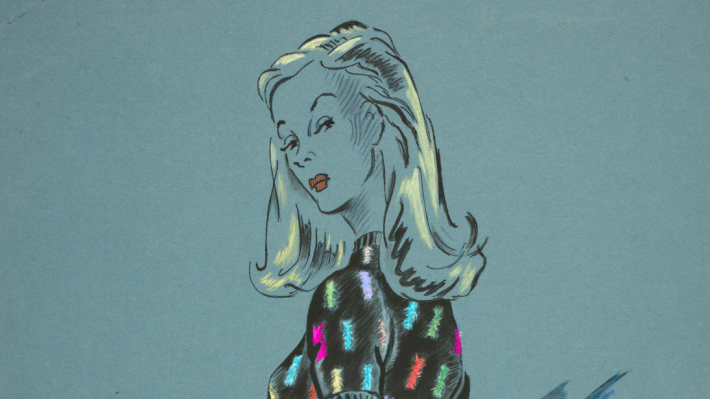
Working from Belfast, Anna Lowe's illustrations featured in international editions of Vogue and Harper's Bazaar, as well as local papers and shop windows across Northern Ireland.