Image

Discover the impact of aquatic invasive species in Ireland, from biodiversity loss to economic costs, and explore how we can manage these species in the future
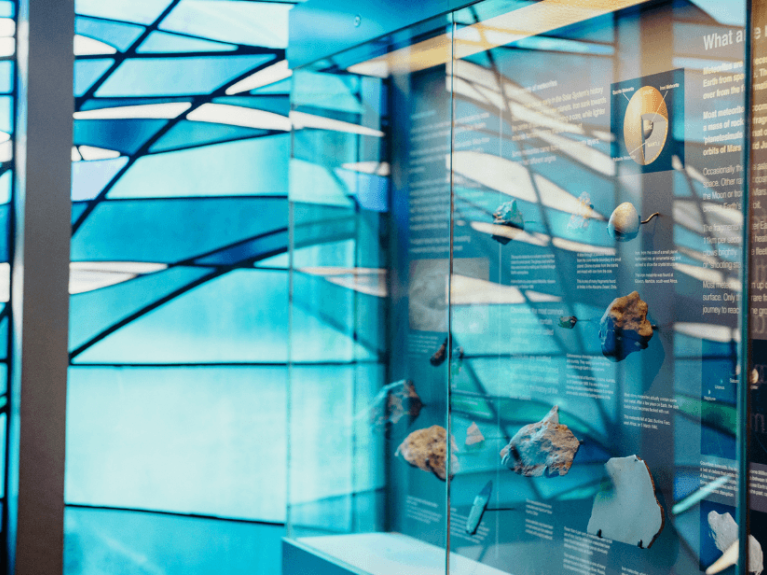
Discover the impact of foreign aquatic invasive species on local biodiversity loss, sometimes with huge economic impacts, in this Natural Sciences display at Ulster Museum.
Aquatic invasive species are non‑native organisms that are introduced - intentionally or accidentally - into freshwater or marine ecosystems where they do not naturally occur. Once established, these species can spread rapidly due to the absence of natural predators or competitors, often outcompeting native species for resources, altering habitat structure, and disrupting ecological processes.
Their impacts can extend beyond biodiversity loss to include significant economic costs, such as damage to fisheries, water infrastructure, and recreational industries. Aquatic invasive species may be transported through pathways such as ballast water discharge, aquaculture, aquarium releases, and recreational watercraft. Understanding their modes of introduction, mechanisms of establishment, and ecological consequences is crucial for developing effective management and prevention strategies aimed at protecting aquatic ecosystems and the services they provide.
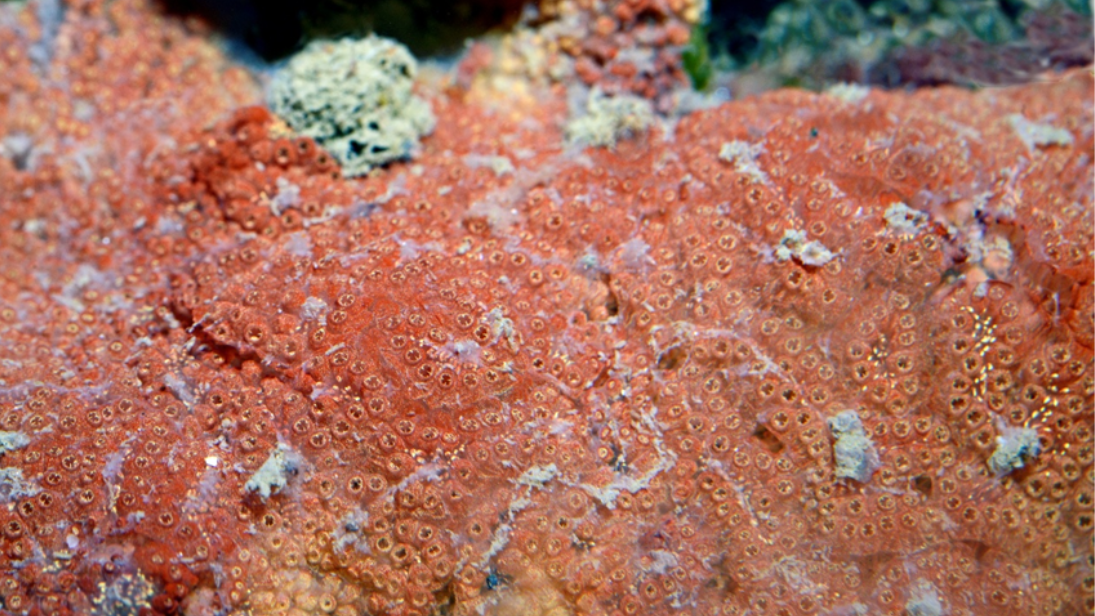
Opening on 18th August 2026, This display covers examples in both freshwater and marine ecosystems, both animals and plants, with short descriptions of their effects in Ireland.

Everything you need to know about this display
This is a free display coming soon to the Belfast Room at Ulster Museum. No booking necessary and free to visit.
Please note, this display is on from Tuesday 18th August to Sunday 1st November 2026.